Maybe a friend mentioned that sun sign can “shift” over time, or you stumbled across a viral post claiming the zodiac has 13 signs now. In an era where astrology apps update daily and NASA casually drops articles about constellation changes, it’s easy to wonder: can my sun sign actually change? The short answer is no your tropical sun sign, the one 99% of Western astrology uses, is fixed from the moment you were born. Yet the confusion is completely understandable.
In this comprehensive guide, we’ll unpack every angle of the debate with zero fluff and maximum clarity. You’ll discover why your sun sign stays the same for life in Western astrology, when (and why) some people legitimately switch to a different sign, how precession of the equinoxes actually works, and what the controversial 13th sign drama is really about. By the end, you’ll not only know whether your sun sign can change you’ll understand your chart on a deeper level than most professional astrologers online.
What Most People Mean When They Ask “Can My Sun Sign Change?”
The Classic Tropical Zodiac You Grew Up With
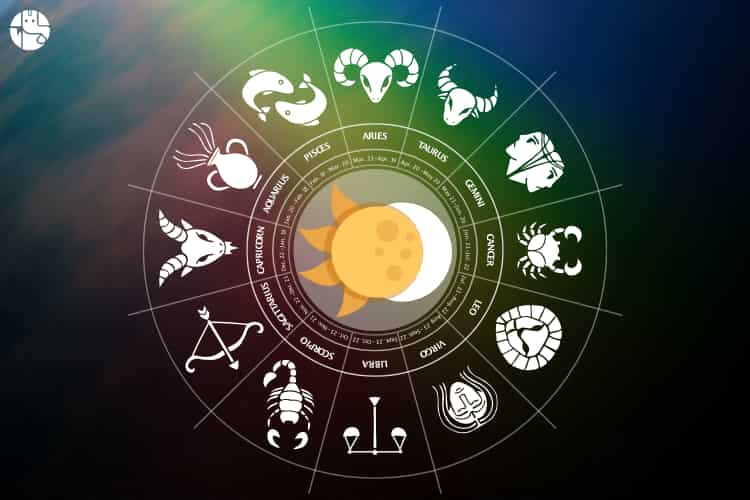
The tropical zodiac, used by virtually all Western astrologers and mainstream horoscope columns, is tied to Earth’s seasons rather than the current positions of constellations. Aries begins exactly at the spring equinox (around March 20–21 in the Northern Hemisphere), regardless of where the constellation Aries actually sits in the sky tonight. This system was locked in around 2,000 years ago and has never moved.
Why Your Birth Chart Is Permanent
When an astrologer calculates your chart, they use the exact date, time, and place you were born to determine planetary positions against this fixed seasonal wheel. Even if you were born tomorrow, the software would still place 0° Aries at the equinox. Your sun sign is therefore mathematically frozen in time; only a new birth would create a different one.
The Viral “NASA Changed the Zodiac” Moment
In 2016, a NASA educational post explaining constellation boundaries went viral and was misreported as “NASA adds 13th sign and shifts all dates.” Millions panicked, thinking their Leo suddenly became Cancer. NASA later clarified they were talking astronomy, not astrology, and that tropical signs remain untouched by constellation drift.
The Real Astronomical Reason People Think Signs “Move”
Precession of the Equinoxes in Simple Terms
Earth wobbles like a spinning top over a 26,000-year cycle, causing the equinox points to slide backward through the constellations by about 1° every 72 years. When Ptolemy standardized the tropical zodiac around 150 CE, the spring equinox aligned almost perfectly with the start of constellation Aries. Today, it aligns with Pisces, and in a few hundred years it will enter Aquarius hence the phrase “Age of Aquarius.”
The Current 24–30 Day Offset
Because of this drift, the sun now spends most “Aries season” (March 21–April 19) physically traveling through the constellation Pisces, and most “Taurus season” in Aries. Astronomers call these actual star groups the sidereal constellations; astrologers in the West simply ignore the shift and stick with seasonal symbolism.
How Long Until Tropical and Sidereal Completely Flip?
At the current rate, it would take roughly 24,000 more years for every tropical sign to be “one sign behind” where it started. Your personal sun sign won’t flip in your lifetime, your children’s lifetimes, or even for dozens of generations. The change is glacially slow and irrelevant to individual horoscopes.
Sidereal Astrology: When Your Sun Sign Actually CAN Be Different
The Vedic (Indian) Approach to the Zodiac
Sidereal astrology, dominant in India and gaining popularity worldwide, subtracts the precession offset (called ayanamsa) to keep signs aligned with visible constellations. Most Vedic systems use the Lahiri ayanamsa, currently about 24° behind the tropical zodiac.
- A tropical Aries sun at 15° becomes sidereal Pisces at 21°
- A tropical Virgo sun at 5° becomes sidereal Leo at 11°
- Roughly 77% of people shift backward one sign; the rest stay the same or rarely move forward
Why Some Westerners Switch to Sidereal and “Change” Signs
Modern astrologers like Steven Forrest and a growing online community argue sidereal feels more psychologically accurate for some clients. When people recalculate their charts sidereal and suddenly resonate more with the “new” sign, they announce “my sun sign changed!”—technically they just chose a different zodiac system.
Famous Sidereal Converts and Their Stories
Celebrities including Prince, Demi Moore, and Tommy Lee have publicly used sidereal charts showing different sun signs than their tropical ones. Online forums are filled with millennials discovering they’re sidereal Scorpio instead of Sagittarius and claiming the description fits better, fueling the perception that signs can shift.
Ophiuchus: The 13th Sign Myth That Refuses to Die
Where the Serpent Bearer Actually Fits
Ophiuchus is a large constellation the ecliptic (sun’s path) crosses between Scorpio and Sagittarius from roughly November 29 to December 17. Astronomers have always recognized 13 constellations along the ecliptic, but ancient Babylonians deliberately excluded it to maintain 12 equal 30° segments.
Why Astrologers Have Never Used a 13-Sign Zodiac
Unequal constellation sizes (Virgo spans 44°, Scorpio only 7°) would destroy symmetrical chart interpretation. Adding Ophiuchus would require rewriting 2,500 years of symbolism, aspects, and house systems overnight an idea no serious astrologer entertains.
How Social Media Keeps Reviving the Rumor
Every few years a new “BBC/NASA says there are 13 signs” article goes viral, complete with fake new dates. Fact-checks follow, but the damage is done: thousands google “am I Ophiuchus?” and temporarily believe their identity shifted.
Generational and Progressed Charts: The Only Legitimate “Change”
Secondary Progressions and the Moving Sun
In symbolic progression techniques, your sun advances roughly one degree per year of life. Around age 30 it enters the next sign, age 60 the one after. This “progressed sun sign” describes evolving identity rather than replacing your natal signature.
- A natal Capricorn might spend their 40s with a progressed Aquarius sun, feeling innovative and detached
- Many people notice personality shifts that match these symbolic movements perfectly
Transits and How Outer Planets Reshape Identity
Heavy Pluto or Saturn transits to your natal sun can feel like becoming a completely different person for years. While your core sign stays fixed, the expression can feel unrecognizable during major astrological weather.
Solar Return Charts Year by Year
Each birthday casts a new chart where the sun returns to its natal degree but sits in a different house with different aspects. Some modern astrologers jokingly call this your “sun sign for the year,” though it never changes the natal placement.
How to Know Once and For All If Your Sun Sign “Changed”
Step One: Confirm Tropical vs. Sidereal
Pull up your chart on Astro.com, select “Lahiri” under zodiac options, and see if the sun degree shifts signs. If it does, you now have two valid interpretations—neither is more “real.”
- Tropical: seasonal, psychological, Western default
- Sidereal: constellation-based, karmic, Vedic default
Step Two: Check Your Exact Degree
People born on cusp days (e.g., July 22–23 or December 21–22) sometimes discover calculation errors moved them a sign when using precise birth time. An 11:58 PM birth might be Leo, 12:02 AM Virgo.
Step Three: Embrace Both Systems If They Resonate
Many professional astrologers read charts in both zodiacs. Your tropical sun describes personality in this lifetime; sidereal often feels like soul-level or past-life energy. There’s no rule saying you must choose one.
The Bottom Line: Your Core Sun Sign Is Eternal
Your tropical sun sign the one printed on every mug, app, and birthday card cannot change because it’s anchored to Earth’s seasons, not drifting constellations. Precession moves imperceptibly slowly, sidereal systems offer an alternative lens rather than an update, and Ophiuchus remains a fun astronomical footnote rather than the 13th zodiac sign. What can (and does) evolve is your relationship to that sign: through progressions, transits, deeper self-awareness, or even switching to sidereal astrology if it resonates more authentically.
Conclusion
Ultimately, astrology isn’t a rigid label but a lifelong conversation between your soul and the sky. Whether you stay fiercely loyal to your tropical Leo fire or discover a sidereal Cancer moon that explains your emotional depth, the sign itself never abandons you you simply grow into new layers of its meaning. So breathe easy: your sun sign isn’t going anywhere. But the way you shine? That’s allowed to transform forever.